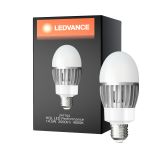
Philips TrueForce Core LED E27 HPL/SON Frosted 13W 2000lm 300D - 840 Cool White | Replaces 50W


€24.22
€19.95
excl. Tax
incl. Tax
+
€0.07
Ecotax
Order before 20:00, shipped today
Want to order larger quantities?
- Free shipping above €121 incl. TaxFree shipping above €100 excl. Tax
- Business customer? Purchase on account
- Easy returns within 14 days
Specifications
Clear
General Information
| SKU | 238562 | |
|---|---|---|
| EAN | 8718699750275 | |
| Brand | Philips | |
| Manufacturer Name | TForce Core LED HPL 13W E27 840 FR | |
|
i
The recommended quantity refers to the number of products pre-packaged by the manufacturer. When you buy this quantity, we deliver the products in the original package from the manufacturer.
|
Full box quantity | 1 |
|
i
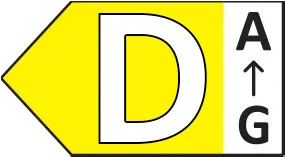
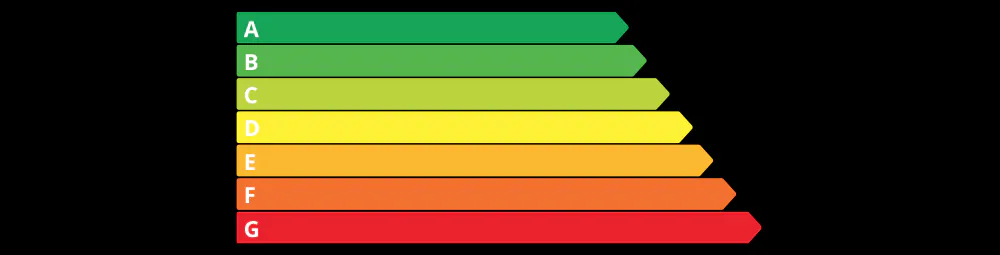 Every bulb or fixture has an energy efficiency class A to G. Energy label A is the most efficient and G the least. LED lighting is the most sustainable lighting technique. Even if a LED bulb is rated E or lower, they still save 70% of energy compared to conventional lighting with the same energy label. Why is it the same label then? To motivate LED brands to get even more durable.
 |
Energy efficiency class | D |
| Energy efficiency class old | A++ | |
|
i
The lifespan is an indication of the number of hours a product will last. This refers only to the hours the product is actually on. LED lighting has a significantly longer lifespan than conventional lighting. LED lighting therefore lasts much longer. How long you can actually use a product depends on the extent of its (daily) use. |
Average Lifetime (h) | 25000 |
Technical Information
|
i
The technology indicates the operating base of a light source. The most well-known and energy-efficient example is LED. Other techniques include Halogen, gas discharge, TL (fluorescent) and the light bulb.
|
Technology | LED |
|---|---|---|
| Product Type Category | E27 LED | |
|
i
Lighting with a voltage of 220-240 Volt can be connected directly to the mains. Lighting with a different mains voltage (12 Volt and 24 Volt) requires an (electronic) transformer.
|
Voltage (V) | 220-240 |
|
i
Dimmable bulbs work in combination with a dimmer switch and allow you to determine the desired light output. Dimming also provides energy saving potential because less power is required when the lamp is producing less light.
|
Dimmable | Not Dimmable |
|
i
The cap/base of a bulb is the part that connects it to the socket in the fixture. E27 (Edison screw) and E24 (small Edison screw) caps/bases are among the most popular, although this depends on your location. GU10 is generally the most common cap/base for spotlights. Check which cap/base you need carefully as many other types are also available.
|
Cap / Base | E27 (Edison screw) |
|
i
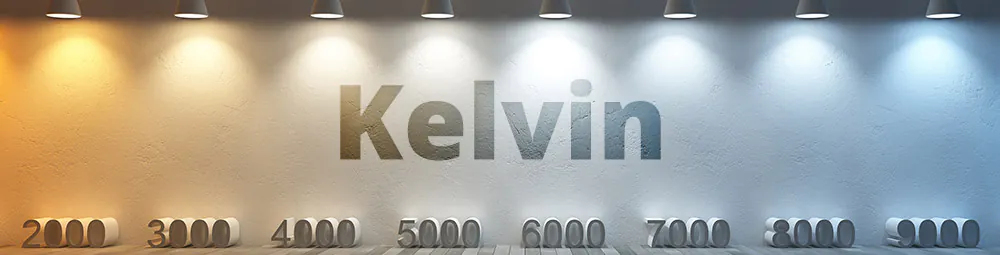
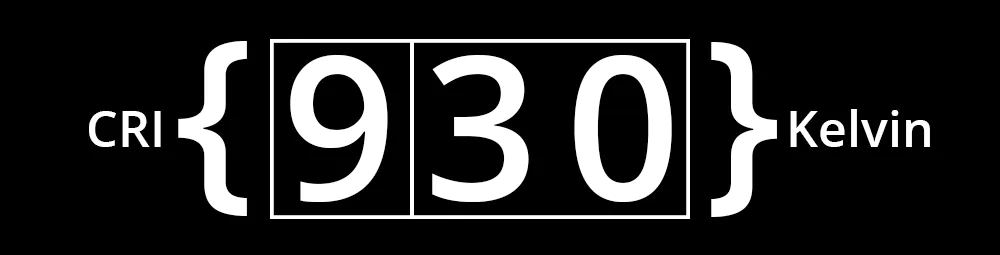 The colour code is a combination of colour rendering (CRI) and light colour (Kelvin). The first number indicates the colour rendering (1 = very poor colour rendering, 9 = maximum colour fastness). The second and third number contains the light colour. Example: the colour code 830 consists of good colour rendering (8) and warm white light (3000K). |
Colour Code | 840 Cool White |
|
i
|
Colour temperature (Kelvin) | 4000 Cool White |
|
i
Colour rendering is also known as Colour Rendering Index (CRI) and indicates the extent to which a light source reproduces colours, compared to the actual colours in daylight. Products with a good (80-89 Ra) or excellent (90-99 Ra) colour rendering show minimal deviations in the colour spectrum.
|
Colour Rendering (Ra) | 80-89 |
|
i
The light color indicates the color of the light emitted: white, colored, or UV. For many products in our assortment, the light is white, available in a range from very warm white to daylight white (expressed in Kelvin). With colored light, you have two options: 1. A single fixed color, such as red or green. 2. RGBW, which means you can adjust the light color at any time: white or colored.
|
Colour of Light | White |
|
i
The colour control type tells you in which way you can regulate the colour of the light. You have the following options:
By choosing your preferred light colour options, you are one step closer to the right light product. |
Light colour options | Single Color |
|
i
The Luminous Efficacy (lm/W) indicates how efficiently a light source uses energy. We divide the number of lumens by the wattage. The higher the number, the more efficient a product is in terms of energy consumption. LED lighting has a considerably higher lumen/Watt ratio than conventional lighting.
|
Luminous Efficacy (lm/W) | 153.8 |
|
i
Lighting with a sensor only turns on when it receives a specific signal. This reduces energy costs. The (built-in) sensors respond to darkness (twilight switch) and/or movement (motion sensor).
|
Type of sensor | No Sensor |
Lamp Information
| EOC8 | 75027500 | |
|---|---|---|
| Series | TrueForce |
Dimensions
|
i
It may happen that the length of this product differs from your old lighting fixture. As a result, the product does not fit in your current fixture or in the relevant place.
|
Length (mm) | 180 |
|---|---|---|
| Diameter (mm) | 75 | |
|
i
The shape tells you something about the design of a LED bulb or conventional bulb. This literally describes the design of the light source, for example a pear or candle shape. In some cases, the name of a product also tells you something about its size. A GU10 AR111 LED spotlight, for example, has a diameter of 111 mm.
|
Shape | Elliptical |
Downloads


Alternatives
€44.55
€36.75
excl. Tax
incl. Tax